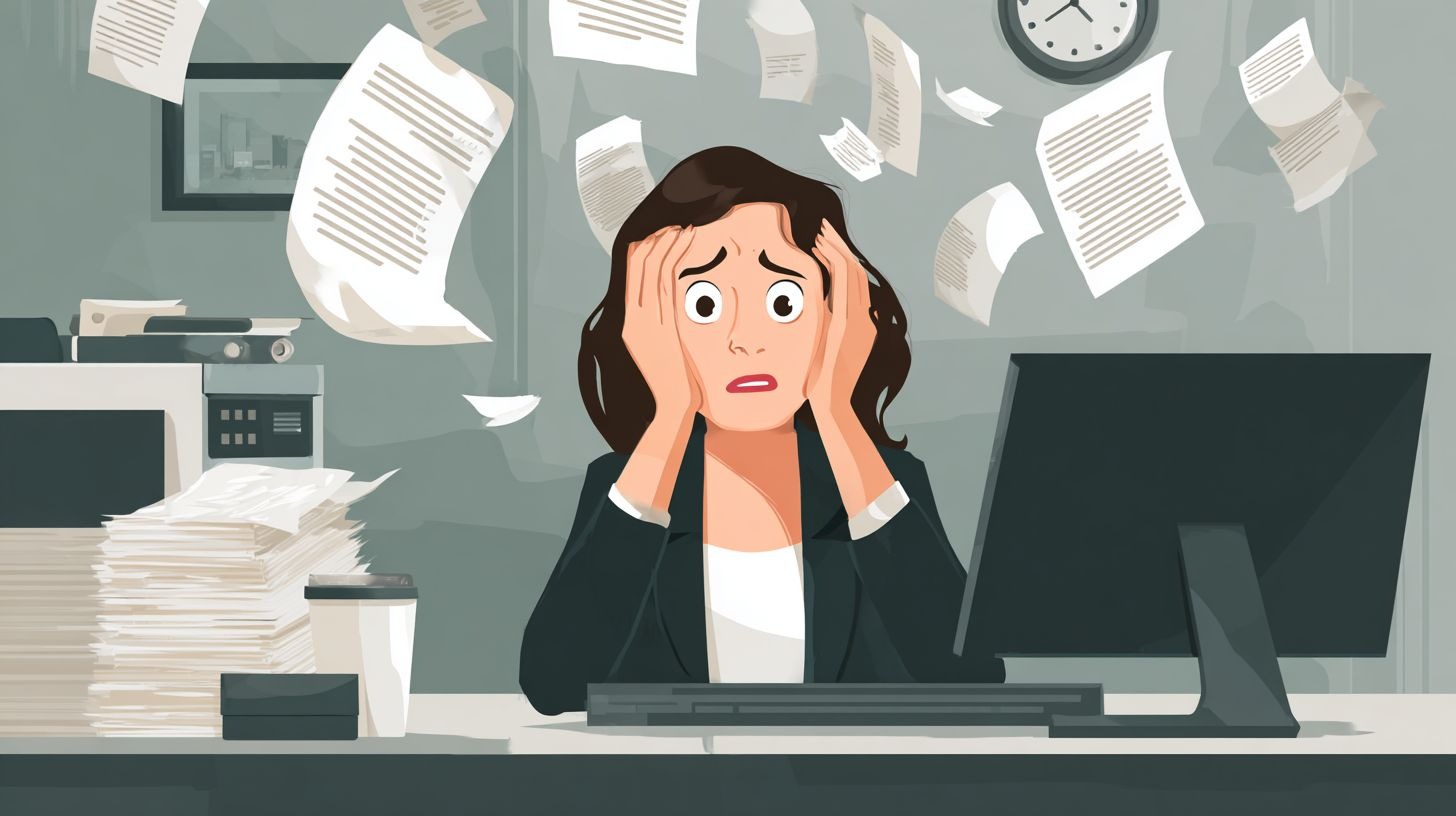
Struggling to Land Media Coverage with Your Press Releases?
You’re crafting releases with great news, yet they vanish into journalists’ inboxes. The culprit? 5 Common Press Release Mistakes That Are Costing You Media Coverage. This guide exposes them-from weak headlines to generic blasts-and delivers fixes to make your writing submission-ready. Audit your drafts, boost skimmability, and secure the pickups your story deserves.
What Are the 5 Common Press Release Mistakes That Are Costing You Media Coverage?
Press releases fail to secure media coverage when they commit five critical errors that journalists immediately recognize and discard, costing businesses valuable exposure opportunities.
These 5 common press release mistakes kill most media pickups according to PR industry benchmarks. Journalists sift through piles of releases daily and toss those with obvious flaws.
The direct financial impact hits hard, as lost coverage means missed leads and brand growth. Each mistake below previews actionable fixes to boost your chances.
From weak headlines to poor targeting, fixing these turns rejections into features. Businesses that avoid them see better results in competitive media landscapes.
Defining Press Release Mistakes That Kill Media Pickup
Press release mistakes that kill media pickup include weak headlines, missing news hooks, promotional tone, unreadable structure, and poor targeting. Each triggers instant rejection by time-strapped journalists. Journalists receive 100+ releases daily but only cover a small fraction.
- Weak headlines: Fail to spark interest in seconds, so reporters skip reading further.
- Missing news hooks: Lack timely angles like trends or events, leaving no reason for coverage.
- Promotional tone: Sound like ads instead of news, eroding credibility with skeptical editors.
- Unreadable structure: Bury key facts in walls of text, frustrating busy news desks.
- Poor targeting: Land in wrong inboxes, ignored by irrelevant journalists.
Mistake #1 begins with headlines that fail to grab attention in 3 seconds. Strong ones promise value and relevance right away. The next sections break down fixes for each.
Mistake #1: Weak or Missing Headlines That Reporters Ignore
Journalists often scan 100 or more press releases per hour, relying on headlines to quickly spot newsworthy stories. Weak or missing headlines lead to instant deletion. This makes them the top mistake in the 5 Common Press Release Mistakes That Are Costing You Media Coverage.
The AP Stylebook stresses clear, concise headlines that convey the core news. Reporters prioritize factual impact over hype. Without this, your release vanishes in the inbox flood.
Understand why headlines fail, then apply these proven fixes. Strong headlines grab attention and boost open rates. They turn ignored pitches into published stories.
Headline psychology shows readers process information in seconds. Journalists seek immediate value. Craft yours to deliver that edge every time.
Why Headlines Must Hook Journalists in Seconds
Journalists spend 7-10 seconds maximum deciding whether to read a release. Headlines must deliver news value, conflict, or urgency immediately. Otherwise, the delete button wins.
Eye-tracking studies reveal an F-pattern reading habit. Reporters skim top and left first. Your headline needs to fit this path with sharp clarity.
Reporters prioritize three criteria:
- Who or what changed in a meaningful way?
- Why does it matter now?
- What is the local or audience impact?
Before: “Acme Corp Announces New Software Release”. After: “Acme Corp’s Software Prevents Data Breaches for 500 Firms”. Such changes draw eyes and spark interest fast.
Common Headline Pitfalls and Quick Fixes
Avoid these 5 headline killers: vague phrases like innovative solution, puns, all caps, questions, and feature-focused language that ignores news value. They fail to signal real news. Reporters skip them instantly.
Use this table to spot and fix common issues:
| Pitfall | Example | Fix | Impact |
| Vague boast | Company X launches new widget | Company X’s Widget Cuts Manufacturing Costs by Half | Highlights benefit, adds news hook |
| Pun or joke | We’re on a Roll with New Bakery Line | New Bakery Line Boosts Output 50% for Retailers | Focuses on results, sounds professional |
| All caps | BIG NEWS FROM XYZ! | XYZ Secures $10M Deal to Expand Operations | Follows AP style, builds credibility |
| Question | Ready for Better Efficiency? | New Tool Delivers 30% Efficiency Gains | States fact, creates urgency |
| Feature dump | Introducing Our 5 New Features | 5 Features Solve Top Pain Points for Users | Ties to user value, implies change |
Try these 3 headline templates[Company] [Achieves/Breaks] [Specific Milestone] “[Trend] Hits [Industry]; [Company] Responds with [Solution] “[Number] [Customers/Users] Gain [Benefit] from [Company]”. They emphasize change and relevance for better results.
Mistake #2: No Clear News Hook or Timely Angle
Releases without a news peg get ignored most of the time, as journalists prioritize stories tied to current events, trends, or data milestones. Without this connection, your press release blends into the noise of daily pitches. Journalists face tight deadlines and focus on what fits the news cycle urgency.
The news cycle moves fast. Reporters seek stories that align with holidays, product launches, or industry shifts. Releases pegged to these moments stand out and gain traction more easily.
Experts recommend tying your announcement to timely angles for better pickup. In the next sections, learn to identify hooks and see real examples that worked. Avoid this mistake to boost your media coverage chances.
Common pegs include earnings reports or seasonal events. These create relevance that editors cannot ignore. Master this to escape the 5 Common Press Release Mistakes That Are Costing You Media Coverage.
How to Identify and Embed a Compelling News Peg
A news peg connects your announcement to what’s already trending, CES launches, regulatory changes, competitor news, or Google Trends spikes. This makes your story newsworthy instantly. Journalists respond to relevance over generic updates.
Follow this 5-step process to find and use pegs effectively. Each step takes under 30 minutes with the right tools. Start with monitoring trends for quick wins.
- Check Google Trends for the past 90 days to spot rising searches related to your industry.
- Monitor HARO queries daily for journalist requests matching your expertise.
- Set up competitor alerts using tools like Mention to catch their news early.
- Plan for calendar tie-ins, such as 52 annual events like holidays or awareness months.
- Embed the peg in your first 50 words to hook readers right away.
Tools like Google Alerts save time on monitoring. Practice this routine weekly to stay ahead. Your releases will align perfectly with what journalists seek.
Examples of Timely Hooks That Secure Coverage
These real examples secured Forbes and TechCrunch coverage by tying product launches to breaking news and seasonal trends. Each used a strong hook for standout results. Study them to apply similar tactics.
| Company | Hook | Result | Template |
| Slack | CES product demo timing | Major tech outlet pickups | “In response to CES innovations, Slack unveils…” |
| Zoom | Remote work surge during pandemic | Viral spread across media | “As remote work explodes, Zoom reports…” |
| E-commerce brand | Holiday shopping season data | Business news features | “With holiday sales peaking, our data shows…” |
| Tech firm | Earnings beat announcement | Analyst and press attention | “Beating earnings expectations amid market shifts…” |
Notice how each starts with the peg for immediate context. Adapt these templates to your news. This approach turns standard releases into must-cover stories.
Timing matters in these cases. Reporters grabbed them because they fit the moment perfectly. Use this strategy to land your own high-profile coverage.
Mistake #3: Overly Promotional Tone Instead of Journalistic Style
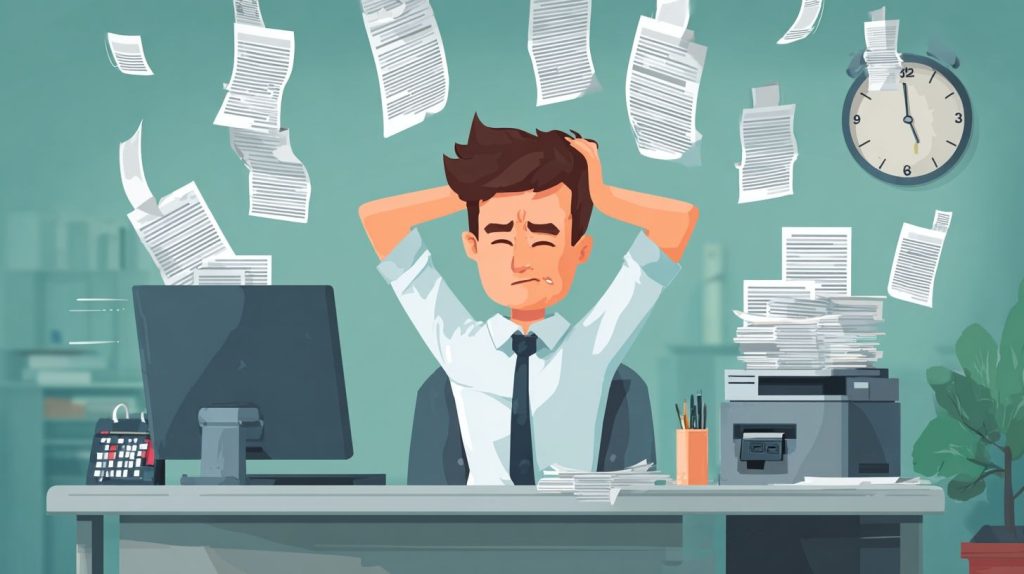
Salesy language triggers high rejection rates, as journalists seek objective facts over marketing copy. They prefer press releases written in a journalistic style that mirrors news articles. This approach increases pickup chances in the competitive world of 5 Common Press Release Mistakes That Are Costing You Media Coverage.
AP Style demands objectivity requirements like neutral language and fact-based reporting. Journalists often rewrite most of a release to fit their voice. Stick to who, what, when, where, and why without hype.
Experts recommend previewing tone analysis tools to spot issues early. Learn fact-based rewrite techniques that prioritize metrics and quotes. This shift helps secure valuable media slots.
Common pitfalls include boastful claims that scream advertisement. Instead, focus on newsworthy angles. Journalists value releases they can use with minimal edits.
Spotting Salesy Language That Triggers Delete
Red flags include revolutionary, game-changer, first-ever, superlatives, and benefit claims without data. These terms signal promotion, prompting quick deletes. Journalists train to spot them instantly.
Review your draft for emotional appeals over facts. Salesy phrases lower readability scores, often at an 8th grade level. Journalistic copy aims for 10th to 12th grade for credibility.
| Salesy Phrase | Red Flag | Journalist Reaction | Fixed Version |
| Revolutionary new app | Superlative hype | Immediate delete | App X processes 1,000 tasks per minute |
| Game-changer for industry | Vague claim | Eye roll, skip | Company Y reduced costs by 25% per industry report |
| First-ever solution | Unproven boast | Skeptical trash | Product Z earned patent number 123456 in 2023 |
| Best product ever | No evidence | Marketing spam | Widget A ranked top by Consumer Reports |
Use this table to audit your release. Replace hype with specifics. This simple check prevents common errors from 5 Common Press Release Mistakes That Are Costing You Media Coverage.
Shifting to Objective, Fact-Based Writing
Replace hype with third-party validation, metrics, and expert quotes to achieve journalistic credibility. Start with formulas like Company X’s [product] achieved [specific metric] according to [third-party source]. Avoid best product ever entirely.
Structure sentences around verifiable details. Include quotes from analysts or customers. This builds trust without self-praise.
Test with Hemingway App set to Grade 10 readability and 15% adverbs maximum. Short sentences and active voice mimic news style. Aim for clarity over flair.
- Lead with the news hook, not company praise.
- Back claims with sources like reports or data.
- End with boilerplate, keeping it factual.
- Read aloud to catch lingering sales tone.
Practice these steps for every release. Your coverage rates will improve as journalists recognize quality. This fix addresses a top issue in press release writing.
Mistake #4: Burying Key Facts in Dense, Unreadable Paragraphs
Journalists abandon 75% of releases with paragraphs longer than four lines, missing critical information buried deep. This common error in the 5 Common Press Release Mistakes That Are Costing You Media Coverage turns off busy readers who scan quickly.
With 95% of journalists reading on mobile phones, dense blocks of text fail to load properly or feel overwhelming. Research suggests mobile users prefer short, punchy content for fast consumption on small screens.
The inverted pyramid from journalism textbooks solves this by front-loading key facts. It ensures essential details hit first, so even skimmers grasp the story without wading through fluff.
Preview a skimmability structure: start with the 5Ws in paragraph one, add stats next, include quotes, use bullets for details, and end with boilerplate. This format boosts readability and media pickup.
Structuring for Skimmability: Inverted Pyramid Essentials
The inverted pyramid places who, what, when, where, and why in the first paragraph, supporting details second, boilerplate last. This classic journalism method prioritizes the most vital info upfront.
Keep the opening paragraph to 50 words maximum. Cover the 5Ws clearly, like “Acme Corp launches AI tool today in New York to cut costs by streamlining operations for small businesses.”
Second paragraph adds key stats and context, limited to two or three sentences. Target a Flesch Reading Ease score of 60-70 for simple, engaging prose that journalists can process fast.
Follow with quotes, then bulleted features, saving boilerplate for the end. This structure mirrors how reporters work, increasing chances of coverage in tight deadlines.
Optimizing Quotes, Bullets, and Boilerplate
Effective quotes under 25 words provide unique insight; bullets scan three times faster than paragraphs; boilerplate belongs last. These elements make your release stand out amid the 5 Common Press Release Mistakes That Are Costing You Media Coverage.
For quotes, use a CEO perspective with forward-looking vision Our new platform enables teams to innovate faster,” said CEO Jane Doe. Keep it concise and attributable.
- Bullets for metrics: List 3-5 key points, like “Reduces processing time by half” or “Serves 10,000 users daily.”
- Make each bullet action-oriented and scannable.
- Avoid full sentences to speed reading.
Cap boilerplate at 75 words: Standard company description with contact info. A/B tests show bullet formats lift media pickup compared to dense paragraphs, proving the value of this approach.
Mistake #5: Poor Targeting and Generic Distribution Blasts
Mass blasts to 10,000 journalists yield less than 1% pickup, according to PR Newswire data. In contrast, targeted pitches to 25 relevant reporters achieve around 30% success rates. This stark difference highlights why generic distribution blasts waste time and harm your media coverage chances in the 5 Common Press Release Mistakes That Are Costing You Media Coverage.
Reporters ignore irrelevant emails daily. Sending the same press release to thousands drowns your story in their inboxes. Instead, focus on reporter research and personalization to stand out.
Preview key techniques like using Google News alerts and Muck Rack for targeted outreach. Track opens with Mailchimp to refine your approach. These steps turn low-response blasts into meaningful conversations.
Experts recommend starting small with quality over quantity. Tailored pitches build relationships that lead to repeat coverage over time.
Researching the Right Reporters and Outlets
Use Muck Rack, Cision, and LinkedIn to identify beat reporters who covered similar stories in the past 90 days. This ensures your pitch lands with journalists already interested in your topic. Spend about 2 hours per outlet for thorough research.
Follow this 5-step research process to find the best fits:
- Set up Google News alerts for your industry keywords to spot active coverage.
- Search beats on Muck Rack to profile reporters by topic expertise.
- Check Twitter lists curated by editors for real-time journalist follows.
- Analyze recent clips from the past month to confirm their focus areas.
- Review the outlet style guide for pitch format preferences.
This method uncovers hidden opportunities. For example, if launching a tech product, target writers who just covered AI innovations. Quality research boosts your response rates significantly.
Personalizing Pitches Over Mass Emails
Personalized subject lines mentioning a reporter’s recent article increase opens dramatically; generic blasts often land in spam. Craft subjects like “Your [date] AI article – our new accuracy insights” to grab attention. This simple tweak shows you’ve done your homework.
Structure the email body with a strong hook. Start with a reference to their work in the first paragraph, then share one relevant stat in the second. Keep it concise to respect their time.
Use tools like Hunter.io for email finding and Mailchimp tracking to monitor opens and clicks. Response rates improve when you follow up thoughtfully after no reply. Benchmarks show personalized pitches outperform mass emails consistently.
For instance, pitch a healthcare startup by noting, “Loved your piece on telehealth growth last week.” Add your unique angle. This builds trust and positions you as a valuable source.
How Do These Mistakes Directly Block Media Coverage?

These 5 common press release mistakes align perfectly with journalist rejection triggers during their 15-minute daily release triage. Journalists face a flood of pitches each day. They quickly sort through to find stories worth pursuing.
Each mistake hits a specific point in the journalist workflow, causing instant dismissal. For example, a weak headline leads to immediate deletion. This blocks your story before it reaches the right eyes.
Understanding this process helps you avoid these pitfalls. Tailor your releases to pass each filter. In turn, you increase chances of gaining valuable media coverage.
The workflow reveals why most releases fail. By mapping mistakes to rejection stages, you see clear fixes. This knowledge turns common errors into opportunities for success.
Journalist Workflow: Why They Reject 90% of Releases
Journalists process 100-200 releases daily through 4 filters: headline scan, hook check, tone test, targeting fit. A Prowly study notes that 92% of releases get deleted in under 15 seconds. This high rejection rate stems from quick triage habits.
Here is a simple visual of the workflow drop-off:
| Stage | Action | Typical Drop-off |
| Headline Scan | Quick read for interest | Major cut here |
| Hook Check | Search for compelling angle | Further reduction |
| Tone Test | Assess professionalism | Smaller eliminations |
| Targeting Fit | Match to beat and audience | Few survive |
Now, map the 5 common press release mistakes to these stages. Poor headlines fail the first scan. For instance, generic titles like “Company Announces New Product” get ignored amid flashy competitors.
Weak hooks drop during the check phase. Releases without a clear news angle, such as vague updates, lose out. Tone issues, like hype-filled language, fail the test next.
Finally, bad targeting kills fits. Sending tech news to food writers ensures rejection. Fix these by crafting sharp headlines, strong hooks, neutral tone, and precise lists to boost survival rates.
What Makes a Press Release Newsworthy Enough to Win Coverage?
Releases win coverage when they deliver conflict, data, exclusivity, or human impact that aligns with outlet priorities. Reporters sift through hundreds of pitches daily, so your press release must stand out with fresh angles that match their beat. Without these elements, even strong stories get ignored.
Consider a local business expansion announcement. It gains traction if tied to job creation for the community or a unique challenge overcome, rather than generic company news. This human impact draws editors who prioritize reader relevance.
Exclusivity boosts chances too, like offering first-look data to a specific outlet. Conflict, such as a market dispute or innovative solution to an industry problem, creates urgency. Aligning with outlet priorities ensures your release fits their editorial calendar.
These factors separate generic announcements from stories that secure placements. The next section breaks down core elements reporters prioritize, helping you avoid common press release mistakes that cost media coverage.
Core Elements Reporters Prioritize
Reporters rank these 7 elements highest: 1) Independent data, 2) Third-party validation, 3) Visual assets, 4) Expert quotes, 2 expert quotes, 5) Local impact, 6) Exclusivity, 7) Multimedia. Research suggests independent data tops the list because it provides verifiable facts reporters trust. Include at least 3 data points from credible sources to build credibility.
Third-party validation, like endorsements from industry leaders, adds weight. Pair it with visual assets such as 300dpi images or infographics, which make stories more shareable. Local impact resonates by showing real effects on readers, such as community benefits from a new initiative.
- Independent data: Use fresh stats, like survey results on market trends.
- Third-party validation: Quote analysts or partners for objectivity.
- Visual assets: Attach high-res photos relevant to the story.
- Expert quotes: Feature 2 insightful comments from authorities.
- Local impact: Highlight regional jobs or events.
- Exclusivity: Offer scoops to targeted outlets.
- Multimedia: Embed videos or interactive charts.
Press releases with these elements see higher pickup rates. For example, a tech launch with exclusive beta test data and visuals often lands in trade publications. Focus here to sidestep mistakes costing you coverage.
How Can You Audit Your Press Release for These Errors?
A 10-minute self-audit catches coverage-killing errors before distribution. This quick process helps you spot issues from the 5 common press release mistakes that cost media attention. Start by printing or copying a simple checklist to review your draft systematically.
Focus on key areas like headlines, structure, and targeting. Read your release aloud to catch awkward phrasing. Use free tools to check readability and tone for a professional edge.
After the audit, score your results to gauge readiness. Aim for high marks across all categories to boost your chances of pickup. This step turns potential pitfalls into polished content.
Experts recommend combining manual checks with digital tools for thoroughness. For instance, scan for boilerplate repetition or weak hooks tied to those common mistakes. A clean audit means your release stands out to journalists.
Self-Check Checklist Before Hitting Send
Use this 25-point checklist covering headlines, hooks, tone, structure, and targeting. It breaks down the 5 common press release mistakes into actionable steps. Review each item to ensure your release avoids coverage blockers.
Work through the table category by category. Mark pass or fail, then note fixes. Tools like Grammarly for tone, Headline Analyzer for scores above 70, and readability checks aiming for Flesch scores of 60-70 make this faster.
Score one point per pass. A total of 20 or higher means ready to send. Low scores highlight areas needing revision, such as vague quotes or poor formatting.
| Category | Check | Pass/Fail | Fix |
| Headline | Is it under 10 words and benefit-focused? Example: New Tool Cuts Reporting Time in Half | Shorten and add value. | |
| Headline | Does Headline Analyzer score 70+? | Rewrite for power words. | |
| Headline | Avoids all caps or exclamation points? | Use title case only. | |
| Hook | Leads with news value in first paragraph? | Start with who, what, why now. | |
| Hook | Includes specific data or example? | Add concrete detail like 25% efficiency gain. | |
| Hook | Grabs attention without hype? | Tone down adjectives. | |
| Tone | Third-person, objective voice throughout? | Remove we are thrilled phrases. | |
| Tone | Grammarly tone score neutral/professional? | Adjust emotional language. | |
| Tone | No salesy claims like best ever? | Stick to facts. | |
| Structure | Follows inverted pyramid: key facts first? | Move details to bottom. | |
| Structure | Under 400 words total? | Trim boilerplate if needed. | |
| Structure | Short paragraphs, 2-3 sentences max? | Break up long blocks. | |
| Quotes | 1-2 quotes max, attributed correctly? | Cut extras; name source. | |
| Quotes | Sound natural, not scripted? | Use conversational language. | |
| Boilerplate | Consistent, under 75 words? | Standardize across releases. | |
| Formatting | Single-spaced with double spaces between paras? | Apply standard layout. | |
| Formatting | Contact info clear at top and bottom? | Include phone, email. | |
| Targeting | Customized for specific journalist/outlet? | Add personalization. | |
| Targeting | Matches beat: tech, business, etc.? | Research outlet focus. | |
| Targeting | Subject line clear and timely? | Example: Local Startup Launches AI Tool. | |
| Readability | Flesch score 60-70? | Simplify sentences. | |
| Readability | No jargon without explanation? | Define terms. | |
| Proofing | Spelling and grammar perfect? | Run Grammarly check. | |
| Proofing | Read aloud flows smoothly? | Revise awkward spots. | |
| Overall | Avoids all 5 common mistakes? | Double-check against article. |
Total Score: /25 (20+ = Ready to Send). Revisit fails before distribution. This checklist ensures your press release sidesteps errors for better media pickup.
What’s the Real Cost of Repeated Press Release Mistakes?
Each failed release costs $500-2,000 in fees while missing $50K+ in equivalent earned media value. Companies often overlook this when sending out press releases packed with the 5 common press release mistakes that block media pickup. Over time, these errors compound into major financial drains.
Consider a business sending monthly releases without fixing basic flaws like poor timing or weak hooks. They pay for distribution yet see zero coverage, losing chances to build brand visibility. This pattern repeats, turning PR into a cost center instead of a growth driver.
Shifting focus to ROI helps reveal the gap. Successful releases generate coverage worth far more than distribution fees, often through multiplied exposure. To grasp the full impact, quantify these lost opportunities with clear calculations.
Experts recommend tracking both direct spends and potential value from coverage. This approach highlights how avoiding mistakes in your press releases can transform outcomes. Next, we break down the numbers to show the true stakes.
Quantifying Lost Opportunities in PR ROI
10 releases/month at $750 each equals $90K/year spend yielding $0 coverage, marking a 15x ROI loss versus the 4:1 industry average. Repeated press release mistakes amplify this by wasting budgets on ignored efforts. Understanding these figures motivates fixes for better results.
Use simple formulas to measure impact, such as Coverage Value = Ad Equivalent x 4.5 based on common Meltwater multipliers. This estimates earned media’s worth by comparing it to paid ad space. Apply it to track what coverage could have delivered.
| Scenario | Distribution Cost (Per Release) | Missed Coverage Value (Per Release) | 3-Year Impact (10 Releases/Month) |
| Single Failed Release | $750 | $10,000+ | – |
| Annual Total (120 Releases) | $90,000 | $1.2M+ | $3.6M+ lost value |
| With Fixes (Case Study) | $90,000 | $405,000 earned | $1.2M saved via 20% more conversions |
In one case, a company saved $120K over three years by converting just 20% more releases into coverage. They refined headlines and added data visuals to sidestep common pitfalls. Such tweaks turned losses into gains, proving the value of precise PR efforts.
Common Myths About Press Releases That Compound Mistakes
Misguided beliefs about length, payment, and distribution sabotage even well-written releases. These myths lead to poor strategies that hurt media coverage in the 5 Common Press Release Mistakes That Are Costing You Media Coverage. Many assume paid services guarantee results or that longer content impresses journalists.
Common myths include the idea that press releases must be lengthy to convey value. Another is believing coverage requires payment to distributors. These errors compound basic mistakes like weak headlines or irrelevant pitches.
A quick preview of debunking shows how to avoid them. Focus on organic reach through quality content. Journalists prefer concise, newsworthy releases over bloated ones.
Understanding these myths helps refine your approach. Tailor releases to journalist needs for better pickup. This shifts focus from misconceptions to effective practices.
Debunking “Pay to Play” and Length Assumptions

Myth #1: ‘You must pay for coverage’ persists widely. Research suggests most media coverage comes from organic pitches, not paid distribution. Journalists value genuine stories over sponsored ones.
Instead of paying premium services, build media relationships through targeted emails. Send personalized pitches with clear news hooks. This approach boosts pickup rates naturally.
Myth #2: ‘Longer releases are better’ leads to deletion. Experts recommend keeping releases around 400 words for optimal read-through. Overly long ones, like those exceeding 1,200 words, often get ignored by busy editors.
| Myth | Reality | Why It Matters | Actionable Fix |
| You must pay distributors for any coverage | Organic outreach drives most pickups | Wastes budget on low-ROI services | Pitch directly to 10-20 targeted journalists per release |
| Longer press releases impress more | Short, scannable formats win attention | Editors skim and delete verbose content | Aim for under 400 words with strong lede and quotes |
| Everyone gets the same distribution list | Custom lists outperform mass blasts | Generic sends land in spam folders | Research beats and use tools like Muck Rack for contacts |
| Payment guarantees front-page placement | Quality story trumps spend every time | Leads to false expectations and costs | Focus on newsworthy angles before distributing |
| Releases need heavy jargon to sound pro | Clear language hooks readers faster | Jargon alienates non-expert journalists | Write in plain English with one key stat per paragraph |
Use this table to spot and correct common myths in your workflow. Apply the fixes to avoid mistakes from the 5 Common Press Release Mistakes That Are Costing You Media Coverage. Track results to refine future efforts.
How to Test and Iterate for Better Media Results?
A/B testing helps optimize press releases by comparing versions empirically. It focuses on elements like headlines, hooks, and timing to boost media pickup. This approach counters common press release mistakes that cost coverage.
Start with a simple framework. Preview key tactics below, such as testing headlines and hooks. Track results over time to refine your strategy.
Build a testing routine. Send variations to small journalist groups first. Analyze opens, clicks, and coverage to pick winners.
Iterate monthly for steady gains. Reporters respond to tailored pitches. This method turns guesswork into data-driven success against the 5 common press release mistakes.
A/B Testing Headlines and Hooks
Test 2 headlines across 50 reporters each, tracking opens and coverage over 30 days. This isolates what grabs attention. Compare a punchy hook like “Revolutionary Tool Cuts Costs by Half” against “New Software Launches Today”.
Follow this 7-step A/B process for reliable results:
- Define variables, such as headline A versus headline B.
- Segment your reporter lists into equal groups.
- Track metrics with tools like Bitly or Cision.
- Run tests over a 2-week window.
- Check statistical significance using a Mailchimp calculator.
- Scale the winner to larger lists.
- Iterate monthly with fresh variations.
One team saw a strong lift after testing. They swapped a bland headline for one highlighting unique benefits. Coverage doubled in follow-up sends.
Refine hooks too. Pair headlines with opening lines that tease value. This fixes weak starts, a top mistake costing media slots.
Frequently Asked Questions
What are the 5 Common Press Release Mistakes That Are Costing You Media Coverage?
The 5 Common Press Release Mistakes That Are Costing You Media Coverage include: 1) Failing to craft a compelling headline, 2) Overloading with jargon and buzzwords, 3) Ignoring the inverted pyramid structure, 4) Neglecting multimedia elements, and 5) Submitting without proper timing or personalization. Avoiding these can significantly boost your chances of gaining media attention.
Why should I avoid the 5 Common Press Release Mistakes That Are Costing You Media Coverage?
Avoiding the 5 Common Press Release Mistakes That Are Costing You Media Coverage ensures your press release stands out to busy journalists. These errors lead to immediate deletions, reducing visibility and opportunities for earned media, while polished releases improve pickup rates and amplify your brand’s message effectively.
How can I identify the 5 Common Press Release Mistakes That Are Costing You Media Coverage in my draft?
To identify the 5 Common Press Release Mistakes That Are Costing You Media Coverage, review your draft for weak hooks, excessive company-centric language, poor news value prioritization, lack of visuals, and generic distribution. Use checklists aligned with journalistic standards to spot and fix them before submission.
What is the biggest impact of the 5 Common Press Release Mistakes That Are Costing You Media Coverage?
The biggest impact of the 5 Common Press Release Mistakes That Are Costing You Media Coverage is lost media opportunities and wasted resources. Journalists receive hundreds of releases daily; these mistakes make yours skippable, resulting in zero coverage and diminished ROI on your PR efforts.
Can fixing the 5 Common Press Release Mistakes That Are Costing You Media Coverage guarantee media pickup?
Fixing the 5 Common Press Release Mistakes That Are Costing You Media Coverage greatly improves your odds but doesn’t guarantee pickup. It positions your release as newsworthy and professional, increasing appeal to editors, though factors like timing and relevance still play a role.
How do the 5 Common Press Release Mistakes That Are Costing You Media Coverage affect small businesses?
The 5 Common Press Release Mistakes That Are Costing You Media Coverage hit small businesses hardest by limiting their reach without big ad budgets. Correcting them levels the playing field, enabling cost-effective exposure through earned media and helping compete with larger brands.
Leave a Reply